
How 100.7 The Bay Killed The Bay
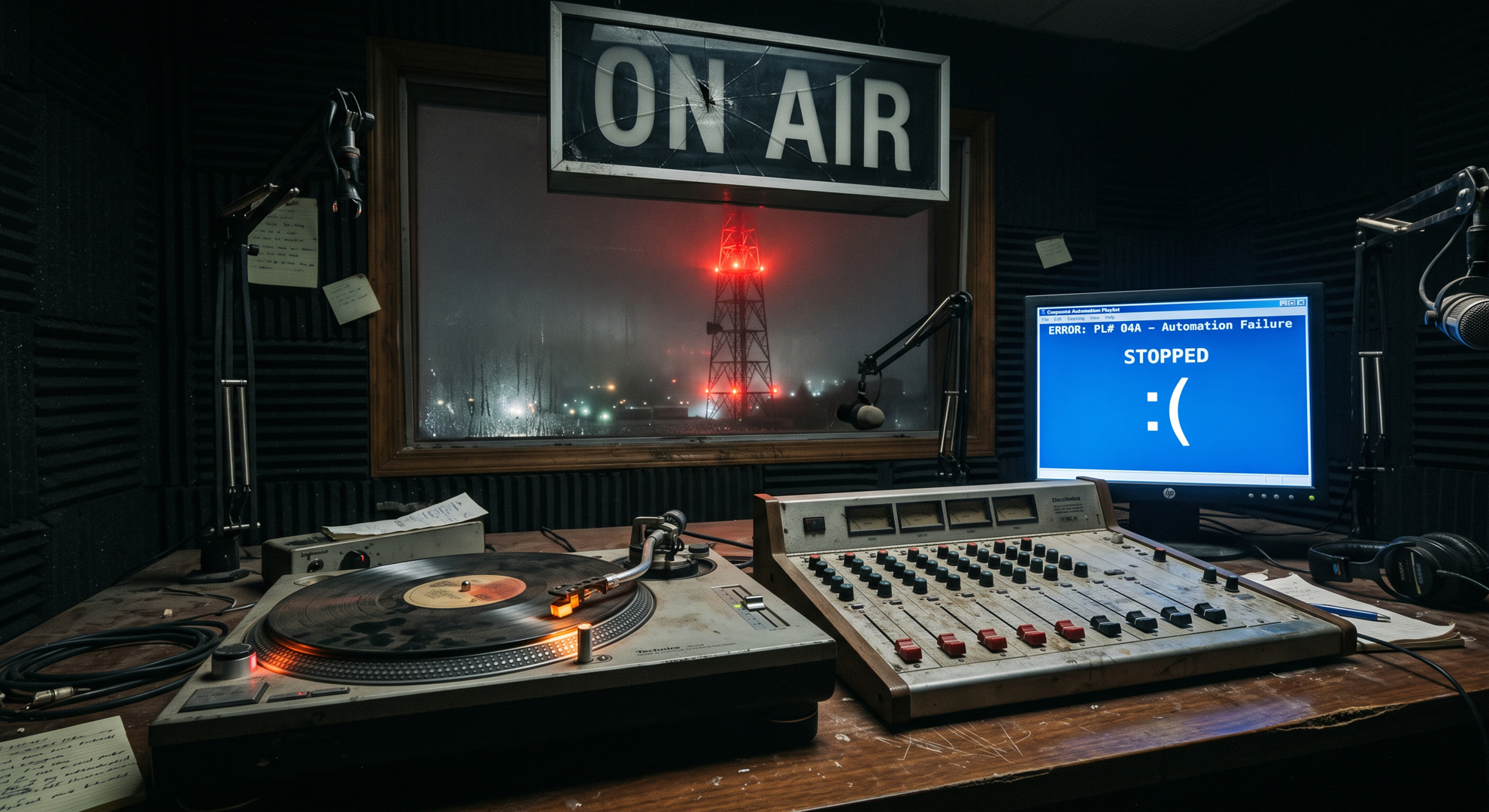
Times-Shamrock Communications officially cashed out, selling WZBA (100.7 The Bay) to Tennessee-based K-LOVE for $2.7 million. The deal ends twenty-six years of heritage classic rock across the Baltimore County airwaves. Drivers crawling through rush-hour gridlock on the I-695 Beltway and Route 40 lost the last independently owned commercial rock stick on the local FM dial. It was my parents’ favorite local radio station, so its loss is personal for me.
When The Bay’s final day was leaked a couple weeks ago, nostalgic listeners immediately flooded social media feeds with complaints, but corporate management signed this death warrant years ago. Station executives locked down the studio control boards, stripping local disc jockeys of nearly all musical control. Program directors banned on-air talent from playing fresh material from bands like AC/DC or The Rolling Stones during daytime shifts, turning the station into an archival museum exhibit.
Corporate programmers blamed falling Nielsen ratings across Baltimore, yet their own automated software drove the audience away. The station packed eighteen minutes of screaming personal injury lawyer ads and trade school spots into every broadcast hour. Commuters grew tired of long commercial break marathons and paired their dashboards to Bluetooth, Spotify and Apple CarPlay. Make no mistake, listeners are just as much to blame for The Bay’s downfall as management.
The programming desk operated out of raw fear. Automated scheduling software recycled the same 150 burned-out catalog tracks while completely ignoring so-called “legacy musicians” newest releases. When legendary rock outfits dropped high-voltage albums with massive dynamic punch, the program director threw those records in the trash to replay the same three tracks on repeat.
The station’s audio quality probably rotted from the inside out decades before the transmitter went dark. When engineers ditched physical CDs in the late nineties, they batch-ripped catalog tracks into compressed MP3 files to save hard drive space on ancient server racks. Corporate management (probably) never spent a dime to re-rip the vault into lossless FLAC digital audio or pull pristine original studio masters. Instead, opting to air inferior remasters. Automated systems fed those artifact-riddled digital rips across Baltimore’s airwaves for over twenty years without a single file upgrade.
Feeding those lossy files through transmitter audio processors turned the daily broadcast into sonic sludge. Studio-to-transmitter links added extra compression layers before hardware limiters at the transmitter shack crushed every remaining transient spike flat. FM physics slammed a brutal 15 kHz brickwall filter across the broadcast band, slicing off all high-frequency air and cymbal shimmer. Commuters rolling down York Road or the Beltway swallowed low-resolution digital trash mangled by hardware processors that completely destroyed the original studio recordings.
The only real pulse left inside the building came late at night on The Vinyl Frontier. Veteran DJ Mike Brilhart dragged physical turntables into the studio after 10 PM, dropping the needle on full album sides (probably from his own personal collection) and uncompressed vinyl grooves. He bypassed the corporate playlist entirely, giving radio listeners real dynamic range, deep album cuts and human curation while the suits were fast asleep.
Management treated that raw analog energy like a quarantined secret instead of putting it on the daytime schedule. The sales desk reserved broad daylight for ancient, low-bitrate digital files. Corporate suits buried Brilhart’s show near the late-night graveyard shift to protect risk-averse focus groups, which starved rock fans of authentic sound until the station flatlined completely.
The sales desk hit a financial wall as ad agencies slashed payouts for listeners past age fifty-four. Yep, once you turn 55 you are no longer in the “prime demographic”. Station owners couldn’t earn money on cheap commercial inventory while paying heavy transmitter utility bills to BGE. When commercial revenue cratered, corporate owners dumped their 25,000-watt signal to a tax-exempt national satellite network.
Corporate cowardice killed 100.7 The Bay. The suits treated living rock musicians like dead background filler, choked the playlist with focus group algorithms and chased every curious music fan straight off the broadcast band.