Why Cheering the Meta & YouTube Lawsuit Will Break the Internet
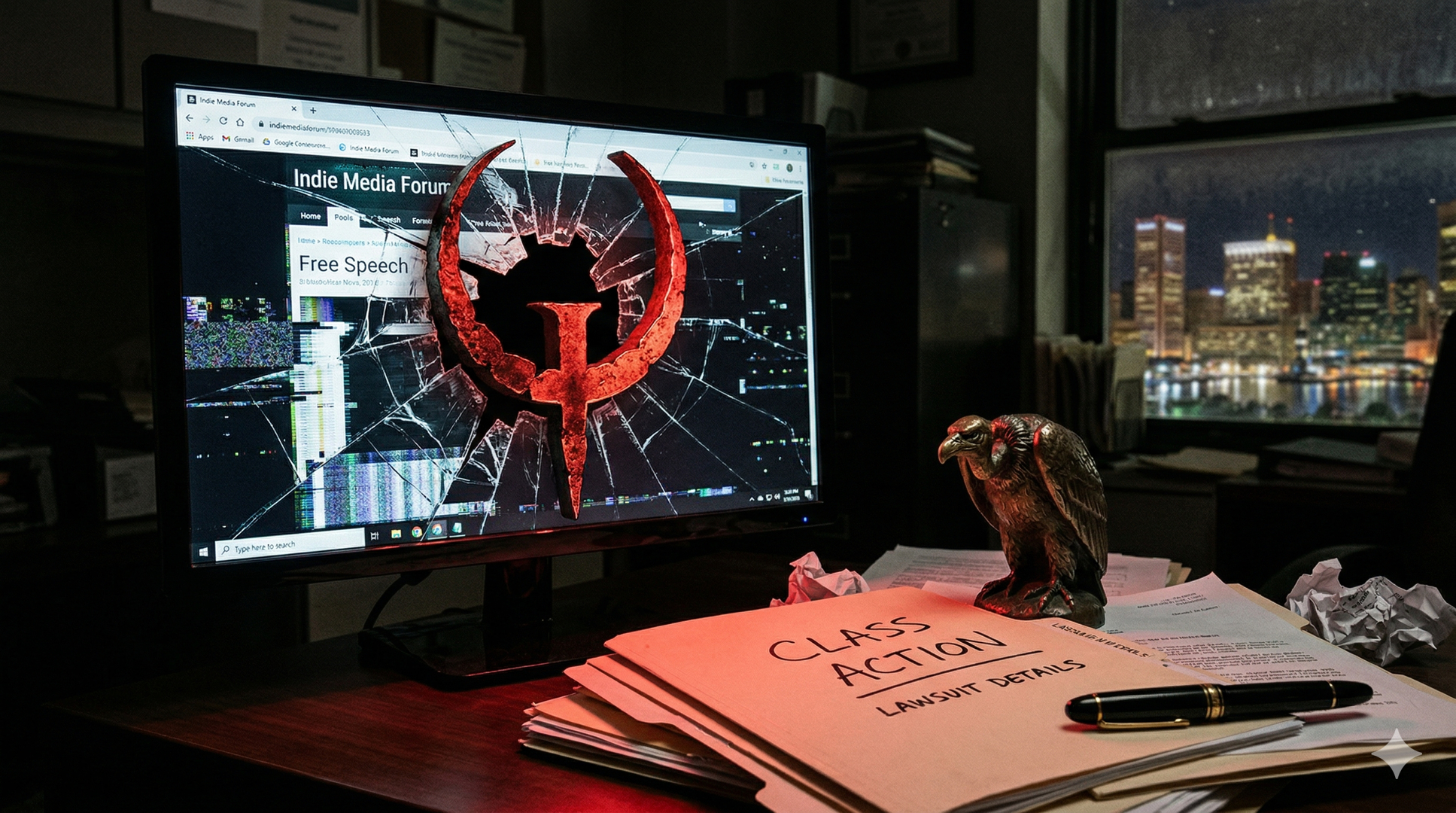
Back in the 1990s, if you spent four hours a day rocket jumping through Quake instead of doing your homework or touching grass, your parents grounded you. If you tried to sue id Software for building a game that was “too fun” or “addictive,” a judge would have laughed you right out of the courtroom. You made a choice. You clicked the mouse. You were responsible for your actions. It’s called personal accountability.
Fast forward to 2026. A Los Angeles jury just slammed Meta and YouTube with a $6 million verdict because a 20-year-old woman couldn’t put her phone down. They didn’t blame the parents. They didn’t blame the user. They blamed the code.
Right now, a massive chunk of the population is cheering this verdict. They hate Mark Zuckerberg. They hate Google. They love seeing Big Tech get dragged through the mud and forced to pay up. But these cheerleaders have a massive watermain break in their brain stems. They are so blinded by their hatred for corporate giants that they can’t see the catastrophic precedent this just set for the entire internet.
The Death of the Honor System
Let’s break down exactly what this verdict means for all of us.
Imagine a public library. Anyone can walk in and read a book. The library trusts you to follow the rules and check out books meant for your age group. That’s the Honor System. It’s how the internet has operated for over thirty years.
But now, the court says the library is legally responsible if a kid reads a book and gets “addicted” to reading instead of sleeping. The library can’t afford a multi-million dollar lawsuit every time a parent fails to set a bedtime. So, what must the library do?
They put a retinal scanner at the front door.
They lock the building down. They demand a government ID before you can even look at the catalog. They monitor exactly how long you hold a book and snatch it out of your hands after 30 minutes.
Get Ready to Scan Your Face
This isn’t paranoia — it’s the new legal reality. By ruling that platforms are liable for “addictive design,” the jury effectively outlawed anonymity.
Companies like YouTube and Meta exist to earn money. To protect their bottom line from thousands of identical lawsuits, they will have to prove beyond a shadow of a doubt the exact age and identity of every single person logging in. The days of making a burner account with a fake birth year are over.
Get ready to scan your face. Get ready to upload your driver’s license just to watch a cooking tutorial. Get ready for mandatory biometric data collection on a scale we’ve never seen before. The people cheering this verdict are literally begging for a surveillance state just to punish Big Tech.
The Threat to Baltimore Creators
For independent media outlets operating right here in Baltimore, this is a chilling warning. We operate on the open web. We want people to read our articles, share our videos and stay engaged with local news.
If “engagement” is now legally classified as a “defective product design,” every creator and developer is in the crosshairs. We’re handing the keys of the internet over to trial lawyers and naive juries who don’t understand the first thing about server loads, bot mitigation or basic human willpower.
The government can’t even fix a damn leak next to the Wise Avenue drawbridge, but they want to micromanage the algorithms that run the global economy?
Stop cheering. Big Tech will survive the fines. It’s the rest of us who will pay the price when the free and open internet gets locked behind a biometric paywall.