OP-ED: Why Maryland Judges Get a Panic Room and You Get a Body Bag
OP-ED: The “Tombstone Policy” – Why Maryland Judges Get a Panic Room and You Get a Body Bag
By: Adam Reuter
In Maryland, privacy is a luxury good. And like most luxury goods in this state, it is reserved for the politically connected while the rest of us in Baltimore are left to foot the bill.
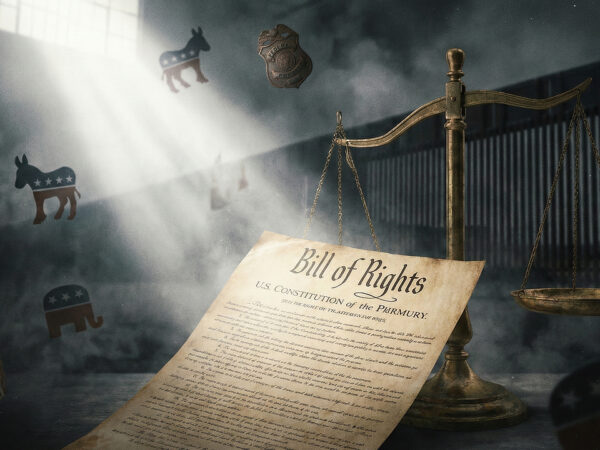
The passage of the Judge Andrew F. Wilkinson Judicial Security Act was hailed as a victory for safety. And let’s be clear: the murder of Judge Wilkinson was a tragedy. No one should be gunned down in their driveway. But the legislative response to that tragedy has exposed a rot at the core of our “Equal Protection” doctrine. The State of Maryland has effectively declared that there are two classes of citizens: the Protected Elite, whose safety is a “State Interest,” and the Disposable Commoner, whose safety is a private problem.
The Blood Tax
For a regular citizen to get their address removed from public records in this state, they have to bleed first.
Under the “Safe at Home” program, a nurse, a mechanic or a journalist must prove they are a victim of domestic violence, human trafficking, or severe stalking. You have to bring police reports. You have to bring restraining orders. You have to show the State of Maryland the bruises or the threatening letters before they will lift a finger to hide your data.
It is a Tombstone Policy. You have to wait until the hunter is already at your door before the state grants you the shield.
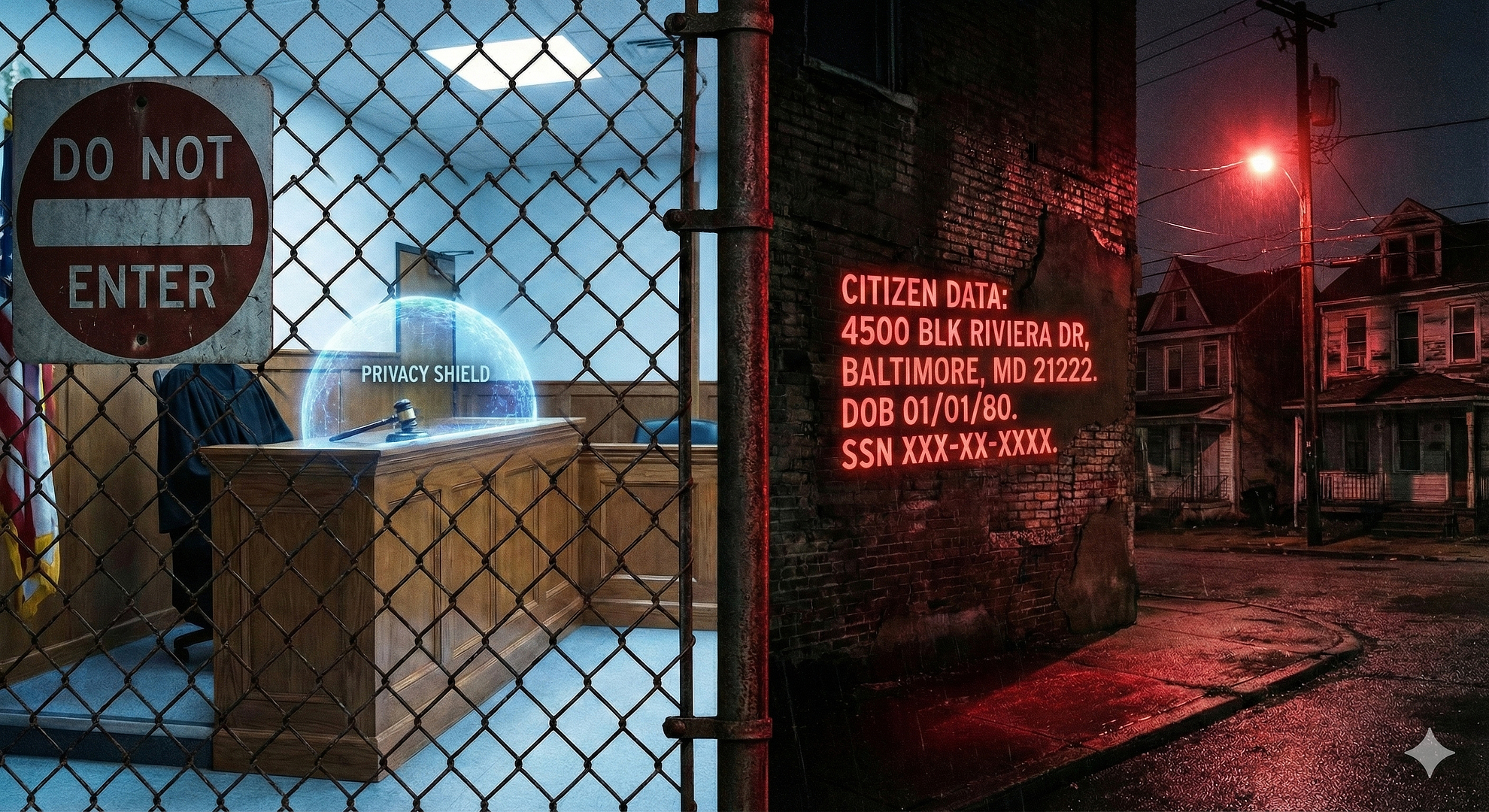
But if you are a judge? You just have to exist. You file a form and poof—your digital footprint vanishes. No threats required. No stalkers necessary. The Wilkinson Act grants the judiciary a proactive, impenetrable privacy shield based solely on their job title. They get a preemptive panic room; you get a reactive body bag.
The Legal Gaslighting
The legal hypocrisy here is enough to make you gag. The State is twisting decades of Supreme Court precedent to build a VIP section in the public record.
They are using the spirit of Katz v. United States—a case meant to protect citizens from government overreach—to protect the government from citizen oversight. They are arguing that a judge has a “Reasonable Expectation of Privacy” regarding public land records. But if you buy a house in Baltimore County? That deed is public. If you get doxed by a data broker? Tough shit! The State argues that by engaging in commerce, you waived your privacy.
So why haven’t the judges waived theirs?
They are also weaponizing Doe v. Reed, a case meant to protect private voters from harassment, to shield public officials from accountability. They have taken the “Harassment Exception”—which was designed for the little guy facing a mob—and turned it into a blanket immunity for the most powerful people in the legal system.
“State Interest” or Class Warfare?
When you push them on this double standard, they hide behind the phrase “Compelling State Interest.” They claim that protecting judges is essential to the “administration of justice.”
Let’s translate that from Legalese to English: The State cares about the Machine, not the People.
They are telling you, to your face, that a dead judge breaks the system, but a dead citizen is just a statistic. If they actually cared about the safety of the judicial process, they would shield the jurors who convict the cartels. They would shield the witnesses who testify against the gangs. They don’t. Those people are disposable gears. The judges are the untouchable operators…
All About Transparency
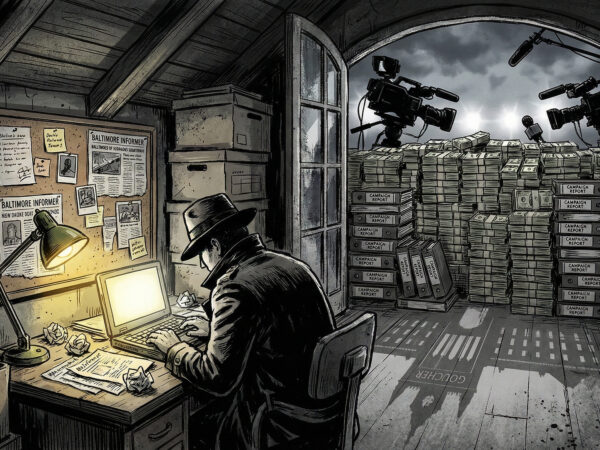
As an investigative journalist, I live by public records. I need transparency to find the rot in our government. I need to know if a County Executive is buying property with kickback money. I need to know if a slumlord is hiding assets.
The Wilkinson Act creates a “Black Box Judiciary.” It blinds the press and the public while leaving the journalist exposed. If I publish a judge’s address to retaliate against them for publishing my address, I face jail time. If a corrupt official looks up my address to silence me? I have to wait until they are standing on my porch before the law gives a damn.
The Bottom Line
We aren’t asking for judges to be endangered. We are asking for the same “State Interest” to apply to our lives.
If the digital age is too dangerous for a judge to have their address public, it is too dangerous for anyone to have their address public. You cannot build a legal system where the rulers operate in the shadows while the ruled are forced to live in a glass house.
Until the “Safe at Home” program is open to every Marylander who fears for their safety—without requiring a police report first—the Wilkinson Act isn’t a safety measure. It’s a caste system. And quite frankly, their “State Interest” can kiss my privately interested ass.